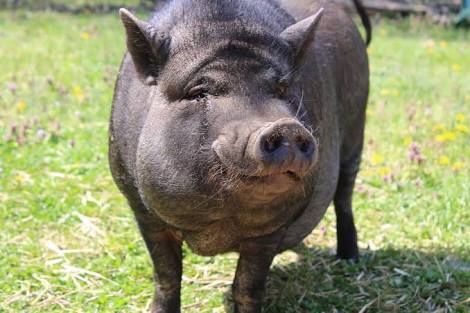
Chinese scientists have warned that pigs are a ‘key intermediate host’ or ‘mixing vessel’ for viruses spreading from wild animals into humans and could cause another pandemic if not taken seriously.
Experts from the Chinese Academy of Sciences have been studying outbreaks of swine flu in pig farms across the country and say the latest strain can pass to humans even though only two people are confirmed to have caught the virus, dubbed G4 EA H1N1, since the first outbreak in 2016.
The researchers who say the disease is ‘highly adapted’ to infect humans are now calling for monitoring of farms and people working on or near them as further transmission could cause the virus to ‘adapt and become a pandemic’.
The two cases of a G4-like EA H1N1 virus were of a 46-year-old and a 9-year-old.
‘Epidemiological survey found that the two patients had neighbours who reared pigs, suggesting that G4 EA virus could transmit from swine to human, and lead to severe infection and even death.’
During tests of the virus in ferrets they found symptoms such as fever, sneezing, wheezing, and coughing were all common.
George Gao, Jinhua Liu, and colleagues isolated 179 viruses from pigs across 10 provinces in China from 2011 to 2018 to study the risks they pose to humans and found that since 2016 the majority of viruses found in farmed pigs exhibited features you’d expect from the populace during a pandemic.
According to the scientists, out of 300 samples taken from pig farmers on 15 different pig farms, only 10.4 per cent had antibodies against this strain of the virus.
This means the virus poses a particularly strong chance of pandemic spread according to the scientists.
‘All of this evidence indicates that G4 EA H1N1 virus is a growing problem in pig farms, and the widespread circulation of G4 viruses in pigs inevitably increases their exposure to humans,’ study authors wrote in their paper.
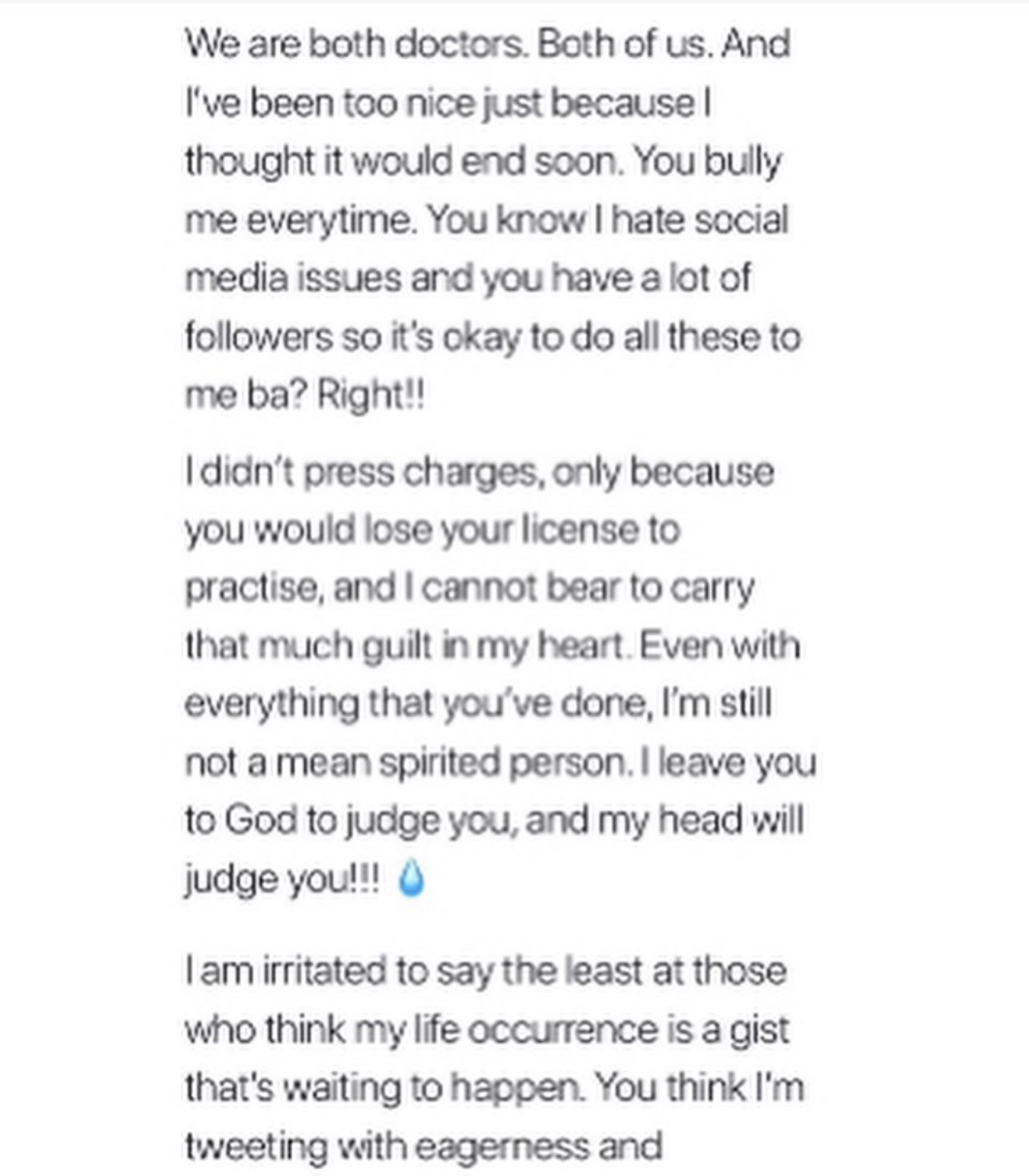
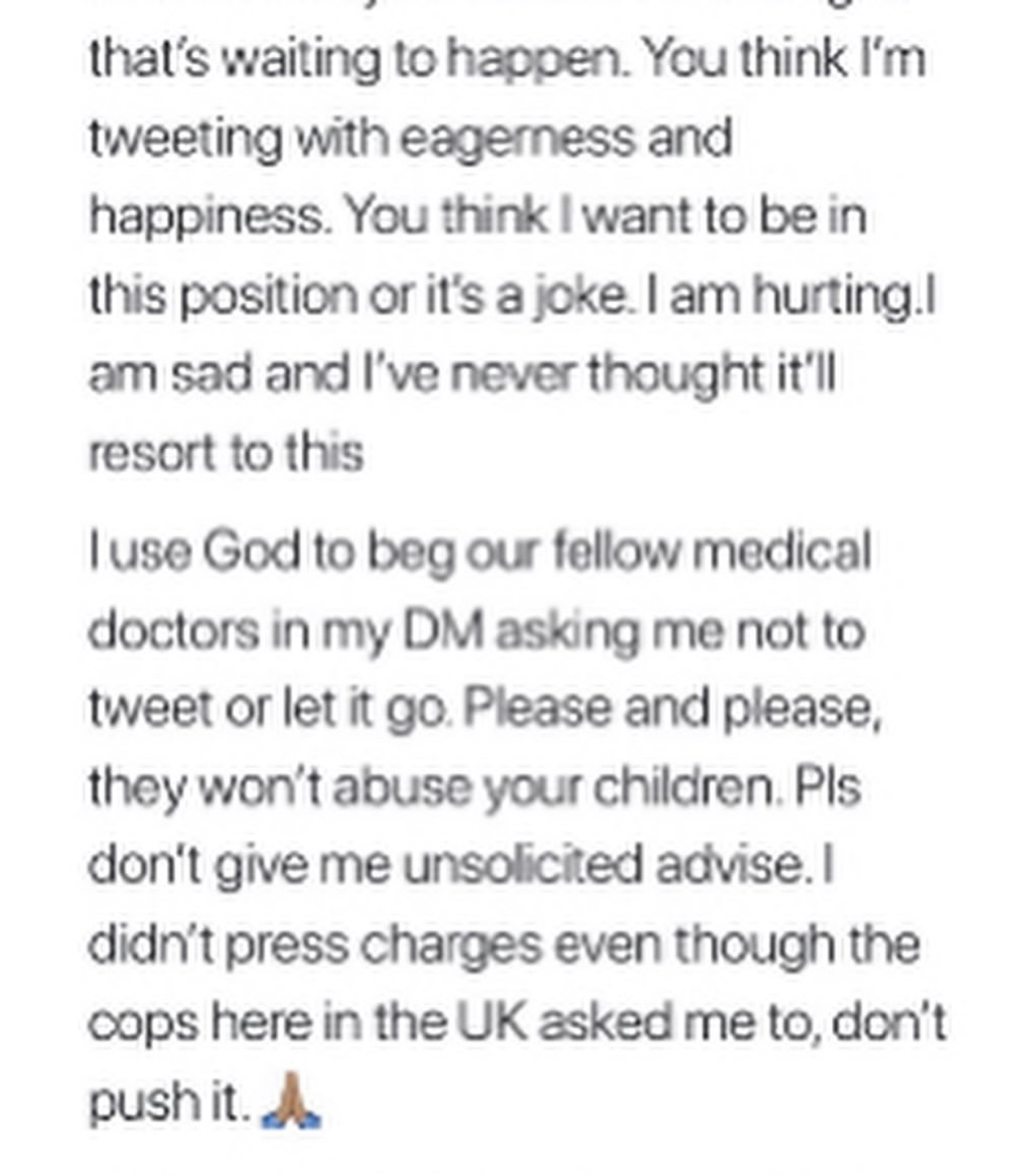
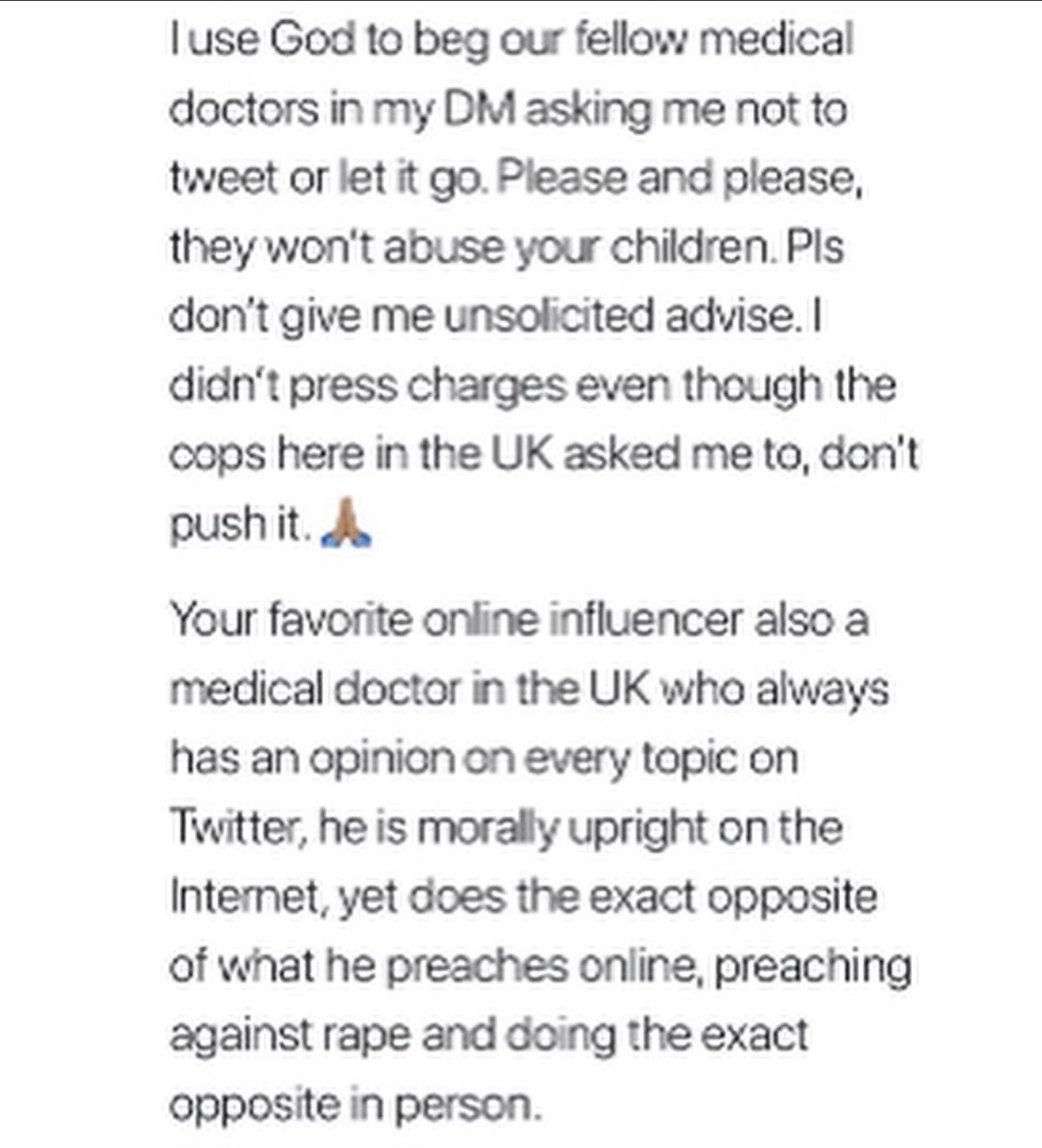
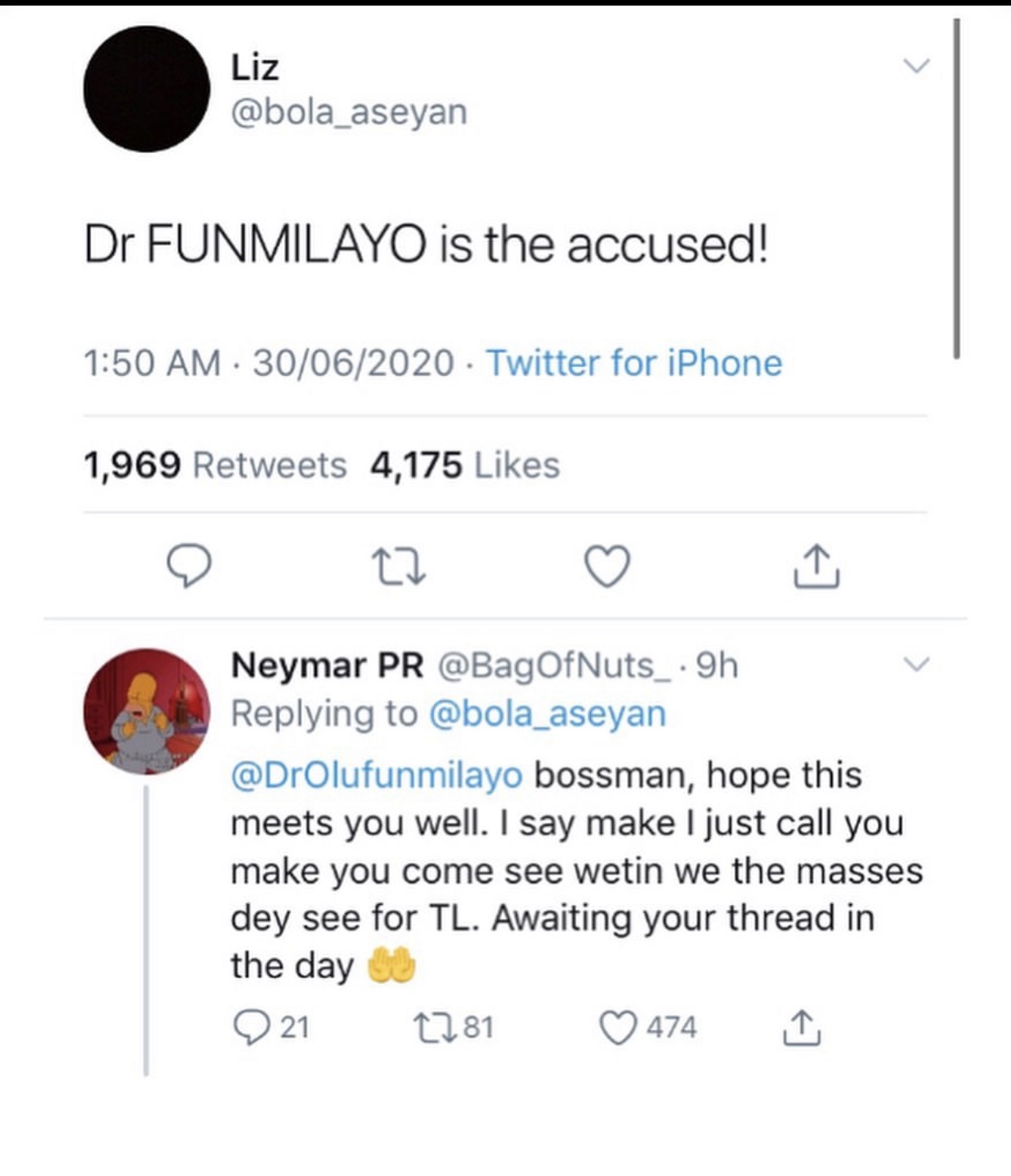
Popular Nigerian doctor and Twitter influencer, Dr Olufunmilayo has been called out by a female colleague for allegedly abusing her sexually.
The UK-based Nigerian doctor, @bola_aseyan who accused Olufunmilayo of being a different person from what he presents online, added that she has proof of all he allegedly did to her.
She further revealed that she didn’t press charges earlier because it will make him lose his license as a medical doctor
BREAKING: Nigerian Government Lifts Interstate Travel Ban, Plans To Reopen Schools For ‘Graduating Students’ _ _
The Federal Government has approved what it called “safe reopening” of schools nationwide in the next phase of the gradual easing of lockdown ordered to curtail further spread of COVID-19. .
However, only graduating students will resume. .
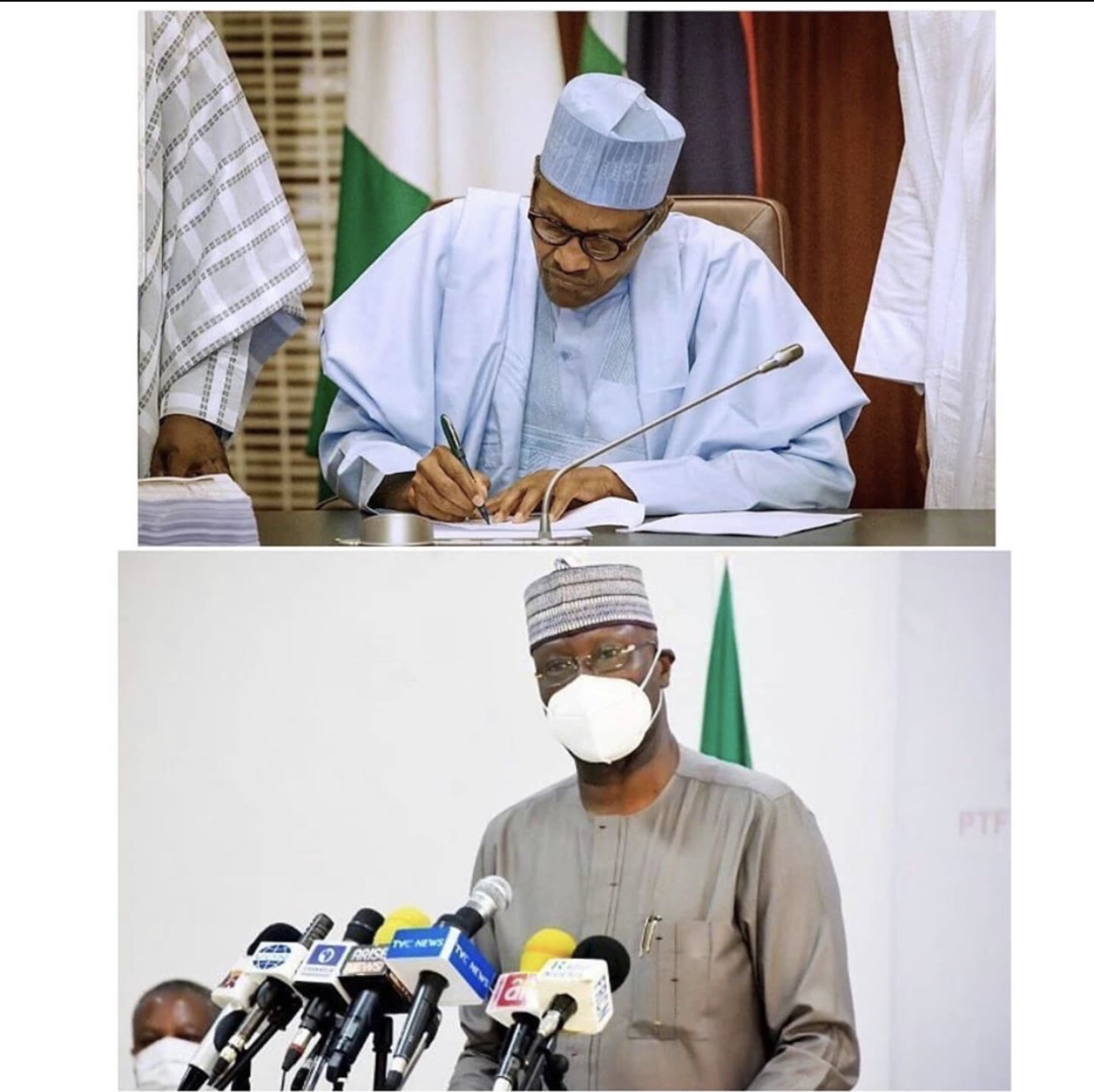
The Chairman of the Presidential Task Force on COVID-19, Boss Mustapha, disclosed this at the daily briefing of the task force in Abuja on Monday. .
He said the reopening of schools was meant to allow students in graduating classes to resume preparation for examinations. .
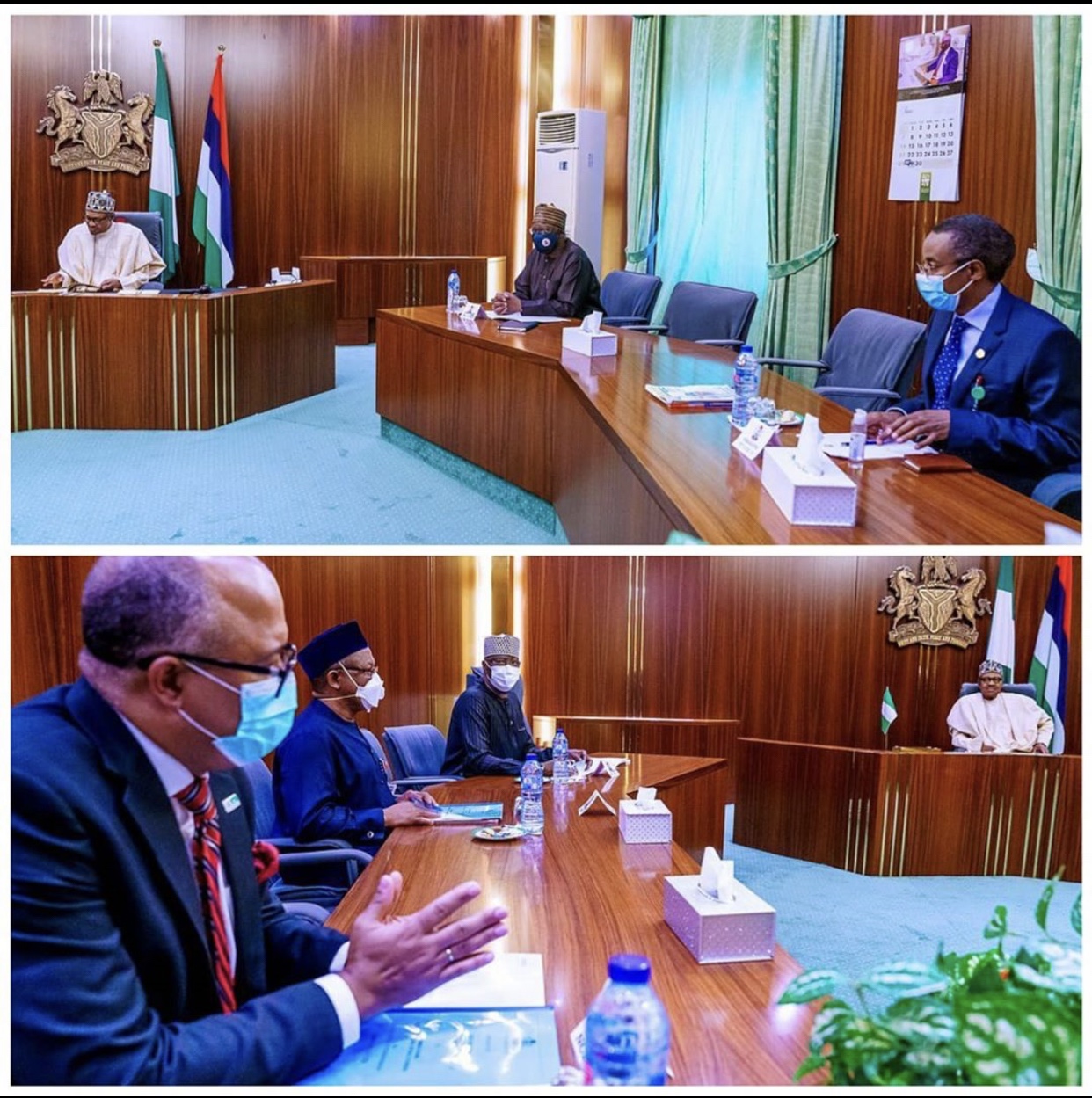
He disclosed that the latest developments were contained in the task force’s fifth interim report which was submitted to the President, Major General Muhammadu Buhari (retd.), earlier in the day. .
Mustapha said, “I am pleased to inform you that Mr President has carefully considered the 5th Interim Report of the PTF and has accordingly approved that, with the exception of some modifications to be expatiated upon later, the Phase II of the eased lockdown be extended by another four weeks with effect from Tuesday, June 30, 2020 through Midnight of Monday, 27 July, 2020. . “Specifically, however, the following measures shall either remain in place or come into effect: . “Maintaining the current phase of the national response, for another four weeks in line with modifications to be expatiated by the National Coordinator; . “Permission of movement across state borders only outside curfew hours with effect from 1st July, 2020; . “Enforcement of laws around non-pharmaceutical interventions by States, in particular, the use of face masks in public places; . “Safe re-opening of schools to allow students in graduating classes resume in-person in preparation for examinations; . “Safe reopening of domestic aviation services as soon as practicable; . “Publication of revised guidelines around the three thematic areas of general movement, industry and labour; and community activities; . “Provision of technical support for states to mobilise additional resources for the response.”
Senator Abiola Ajimobi, former governor of Oyo state, died on Thursday June 25, 2020. He was born December 16, 1949.While studying in the U.S,Ajimobi said he washed corpses to earn a living because his parents were not sending enough money. 📹: @thenetng



 KazzyTv