Chinese officials warned against an unknown pneumonia that is deadlier than Coronavirus.

According to the warning issued by the embassy: “The death rate of this disease is much higher than the novel coronavirus. The country’s health departments are conducting comparative research into the pneumonia virus, but have yet to identify the virus.”

“Unknown pneumonia in Kazakhstan caused 1,772 deaths in the first six months of the year, including 628 people in June alone, including Chinese citizens, the embassy said in a statement.

“The fatality rate of the disease is much higher than COVID-19,” read the embassy’s statement.

“Health officials have recorded more than 32,000 cases of pneumonia between June 29 and July 5 alone, along with 451 deaths,” said Kazakhstan’s Health Ministry.

About 300 people diagnosed with pneumonia are being hospitalized every day,’ Saule Kisikova, the health care department chief in Kazakh capital Nur-Sultan, told state news agency Kazinform.

Meanwhile, there are 53,021 coronavirus cases and 264 deaths in Kazakhstan

Baby Born Holding Contraceptive Coil That Was Meant To Stop The Mother From Getting Pregnant.

A newborn baby made an entrance into the world while holding the contraceptive coil that was supposed to stop her from getting pregnant with him.

The baby boy born at Hai Phong International Hospital in the city of Hai Phong in northern Vietnam, can be seen clasping his mother’s yellow and black intrauterine device (IUD) in his hand.

The coil is supposed to stop sperm fertilising a woman’s eggs. Obstetrician Tran Viet Phuong said the device had come out when the baby was born. The infant had it held firmly in his hands when the picture was taken, it is claimed.

Dr Phuong told local media: “After delivery, I thought him holding the device was interesting, so I took a picture. I never thought it would receive so much attention.”

The baby’s 34-year-old mother claims she had the coil inserted two years earlier but it did not work because she later discovered she was pregnant.

Dr Phuong said the device may have been moved from its original position, becoming an ineffective form of contraception and allowing the mother to become pregnant.

The baby was healthy when born, weighing 7lbs, and both mother and child were under observation in the hospital after the birth, it’s reported.

The mother had previously had two other children, according to reports.

China Warns against a Serious Bacteria infection Called Bubonic Plague.

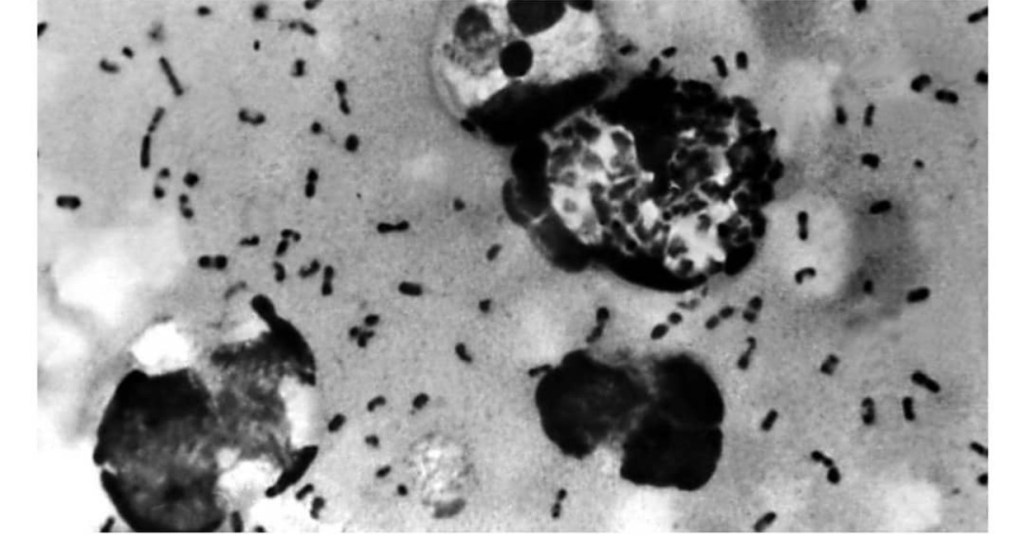
While the World is still battling Coronavirus which first broke out from Wuhan in China, authorities in another Chinese city, Inner Mongolia have issued an alert after a hospital reported a case of suspected bubonic plague, a rare but serious bacterial infection that is transmitted by fleas from rodents.

The health committee of the city of Bayan Nur issued the third-level alert, the second-lowest in a four-level system, for plague prevention and control that will last till the end of 2020

The Bayannur municipal health commission said in a press release on Sunday night, July 5 that the people’s hospital in Urad Middle Banner reported the suspected bubonic plague case in local herdsman on Saturday, July 4.

The patient has been isolated and is receiving treatment in a local hospital, where is said to be stable. The commission issued an advisory for residents in the area to prevent people-to-people infection including not to hunt and eat animals that could cause plague infections.

It asked the public to “report any findings of killed or dead marmots and other animals, and report suspected plague cases, high fever patients with unknown reasons and patients dying from sudden deaths”.

The warning follows four reported cases of plague in people from Inner Mongolia last November, including two of pneumonic plague, a deadlier variant of plague.

Bubonic plague is a rare but serious bacterial infection transmitted by fleas from rodents.

A person infected with bubonic plague will experience the following symptoms: swollen lymph nodes, which can be as large as chicken eggs, in the groin, armpit, or neck. Others include fever, chills, headache, fatigue, and muscle aches.

Pigs Could Be The Source Of Next Pandemic – Chinese Scientists Warns.

Chinese scientists have warned that pigs are a ‘key intermediate host’ or ‘mixing vessel’ for viruses spreading from wild animals into humans and could cause another pandemic if not taken seriously.

Experts from the Chinese Academy of Sciences have been studying outbreaks of swine flu in pig farms across the country and say the latest strain can pass to humans even though only two people are confirmed to have caught the virus, dubbed G4 EA H1N1, since the first outbreak in 2016.

The researchers who say the disease is ‘highly adapted’ to infect humans are now calling for monitoring of farms and people working on or near them as further transmission could cause the virus to ‘adapt and become a pandemic’.

The two cases of a G4-like EA H1N1 virus were of a 46-year-old and a 9-year-old.

‘Epidemiological survey found that the two patients had neighbours who reared pigs, suggesting that G4 EA virus could transmit from swine to human, and lead to severe infection and even death.’

During tests of the virus in ferrets they found symptoms such as fever, sneezing, wheezing, and coughing were all common.

George Gao, Jinhua Liu, and colleagues isolated 179 viruses from pigs across 10 provinces in China from 2011 to 2018 to study the risks they pose to humans and found that since 2016 the majority of viruses found in farmed pigs exhibited features you’d expect from the populace during a pandemic.

According to the scientists, out of 300 samples taken from pig farmers on 15 different pig farms, only 10.4 per cent had antibodies against this strain of the virus.

This means the virus poses a particularly strong chance of pandemic spread according to the scientists.

‘All of this evidence indicates that G4 EA H1N1 virus is a growing problem in pig farms, and the widespread circulation of G4 viruses in pigs inevitably increases their exposure to humans,’ study authors wrote in their paper.