INTERNATIONAL STUDENTS ON F-1 AND M-1 VISAS MUST LEAVE THE USA IF THEIR COLLEGE GOES ONLINE-ONLY – ICE

Nonimmigrant F-1 and M-1 students attending schools operating entirely online may not take a full online course load and remain in the United States. The U.S. Department of State will not issue visas to students enrolled in schools and/or programs that are fully online for the fall semester nor will U.S.

Customs and Border Protection permit these students to enter the United States. Active students currently in the United States enrolled in such programs must depart the country or take other measures, such as transferring to a school with in-person instruction to remain in lawful status. If not, they may face immigration consequences including, but not limited to, the initiation of removal proceedings.

Nonimmigrant F-1 students attending schools operating under normal in-person classes are bound by existing federal regulations. Eligible F students may take a maximum of one class or three credit hours online.

Nonimmigrant F-1 students attending schools adopting a hybrid model—that is, a mixture of online and in person classes—will be allowed to take more than one class or three credit hours online. These schools must certify to SEVP, through the Form I-20, “Certificate of Eligibility for Nonimmigrant Student Status,” certifying that the program is not entirely online, that the student is not taking an entirely online course load this semester, and that the student is taking the minimum number of online classes required to make normal progress in their degree program. The above exemptions do not apply to F-1 students in English language training programs or M-1 students pursing vocational degrees, who are not permitted to enroll in any online courses.

According to the Student and Exchange Visitor Program, “The U.S. Department of Homeland Security plans to publish the procedures and responsibilities in the Federal Register as a Temporary Final Rule.”
“Schools should update their information in the Student and Exchange Visitor Information System (SEVIS) within 10 days of the change if they begin the fall semester with in-person classes but are later required to switch to only online classes, or a nonimmigrant student changes their course selections, and as a result, ends up taking an entirely online course load. Nonimmigrant students within the United States are not permitted to take a full course of study through online classes. If students find themselves in this situation, they must leave the country or take alternative steps to maintain their nonimmigrant status such as a reduced course load or appropriate medical leave,” the Student and Exchange Visitor Program stated.

We at Watch The Yard encourage our valued international student community to check with their host institution to ensure their immigration and enrollment status for the Fall.
BREAKING: Nigerian Government Lifts Interstate Travel Ban, Plans To Reopen Schools For ‘Graduating Students’

BREAKING: Nigerian Government Lifts Interstate Travel Ban, Plans To Reopen Schools For ‘Graduating Students’
_
_

The Federal Government has approved what it called “safe reopening” of schools nationwide in the next phase of the gradual easing of lockdown ordered to curtail further spread of COVID-19.
.

However, only graduating students will resume.
.

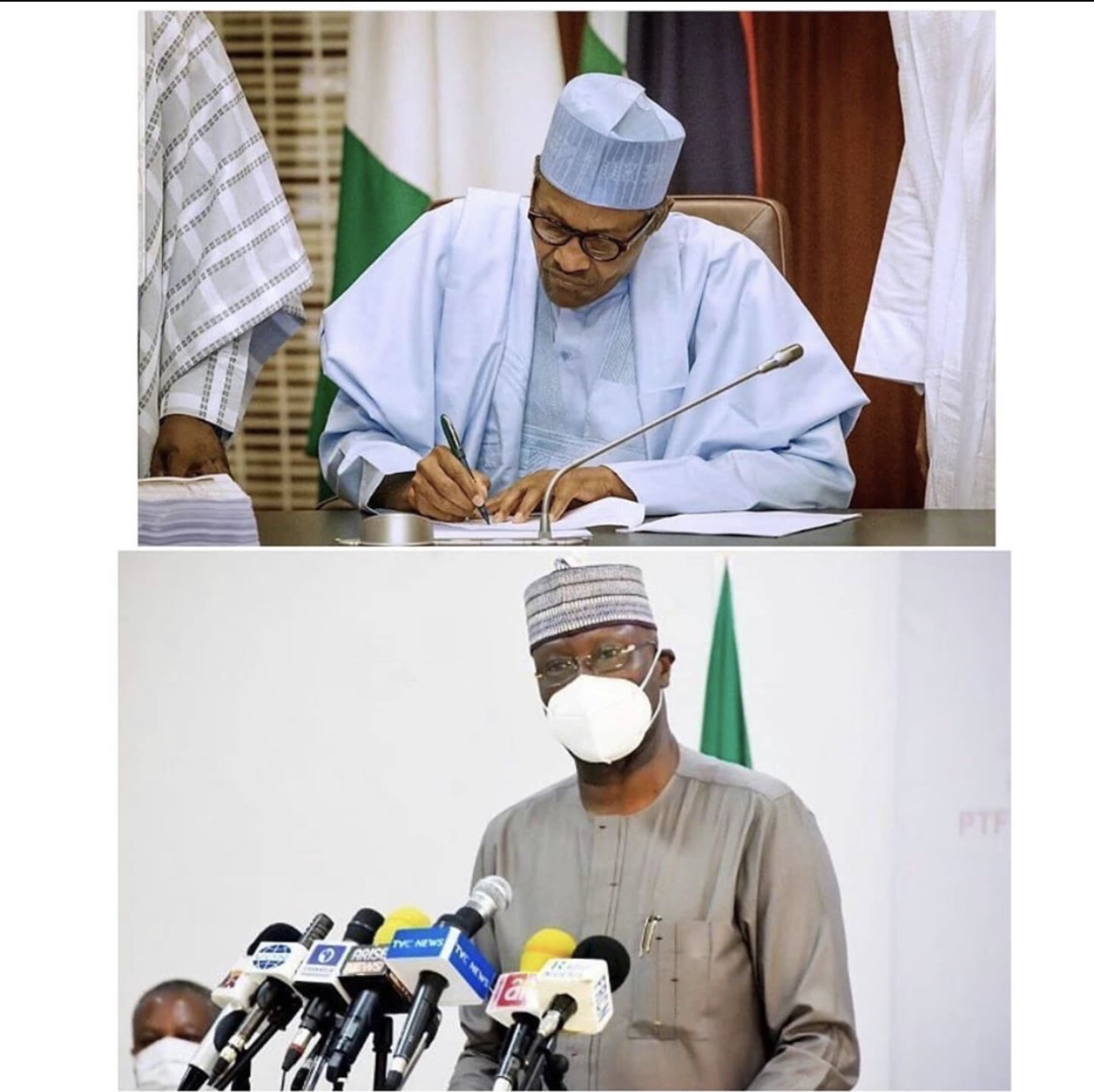
The Chairman of the Presidential Task Force on COVID-19, Boss Mustapha, disclosed this at the daily briefing of the task force in Abuja on Monday.
.

He said the reopening of schools was meant to allow students in graduating classes to resume preparation for examinations.
.

He disclosed that the latest developments were contained in the task force’s fifth interim report which was submitted to the President, Major General Muhammadu Buhari (retd.), earlier in the day.
.

Mustapha said, “I am pleased to inform you that Mr President has carefully considered the 5th Interim Report of the PTF and has accordingly approved that, with the exception of some modifications to be expatiated upon later, the Phase II of the eased lockdown be extended by another four weeks with effect from Tuesday, June 30, 2020 through Midnight of Monday, 27 July, 2020.
.
“Specifically, however, the following measures shall either remain in place or come into effect:
.
“Maintaining the current phase of the national response, for another four weeks in line with modifications to be expatiated by the National Coordinator;
.
“Permission of movement across state borders only outside curfew hours with effect from 1st July, 2020;
.
“Enforcement of laws around non-pharmaceutical interventions by States, in particular, the use of face masks in public places;
.
“Safe re-opening of schools to allow students in graduating classes resume in-person in preparation for examinations;
.
“Safe reopening of domestic aviation services as soon as practicable;
.
“Publication of revised guidelines around the three thematic areas of general movement, industry and labour; and community activities;
.
“Provision of technical support for states to mobilise additional resources for the response.”