

Nigerian chef dies of ulcer, weeks after complaining of lockdown-induced hunger on Facebook – @instablog9ja
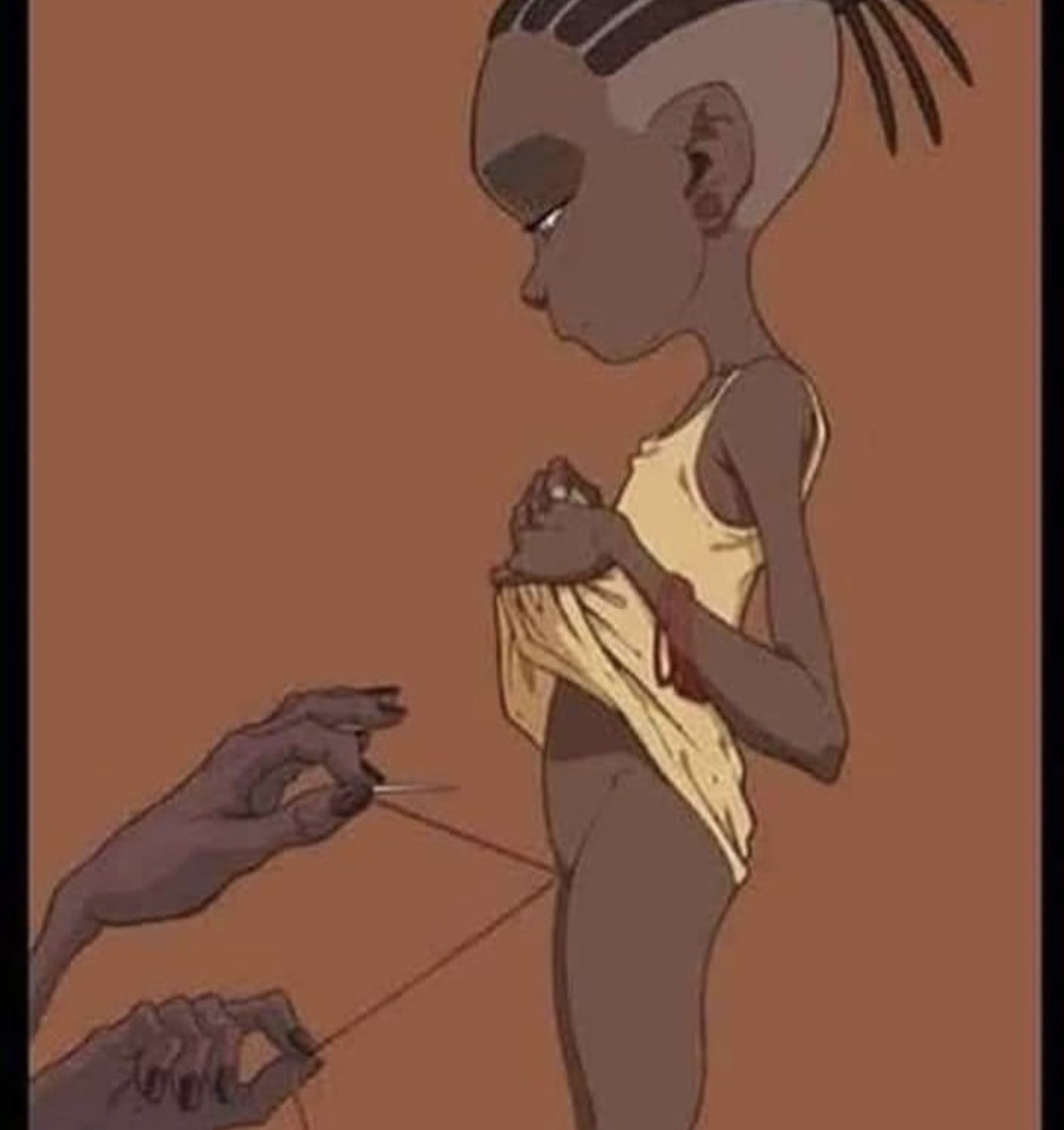
This is called infibulation: it is the complete scraping of the vagina and its enclosure to prevent the girl from having sex, they leave a little hole for the girl so that she has her period and urinates. They tie their legs with a rope for days so that the wound can heal, it usually takes 15 to 40 days, the girl remains tied, unable to move. Basically the stitches are reopened by her husband on the wedding day so that he can have intimate relationships with her. At birth women must be cut again because the opening of the vagina is too small for the passage of the baby. Imagine the pain, the trauma ….. Such monstrous and cannibalistic practices still exist all over the world. Share it is the least you can do. Most people don’t even know what it is or the horror that still exists. Please share If you’re choked at first after reading this then you continue scrolling as if you saw nothing and without at least sharing, these people don’t need your pity they need help, they need people to speak for them, and take their voices that cannot be heard out to the world.
The country currently practicing this are Djibouti, Eritrea, Ethiopia, Somalia, Sudan
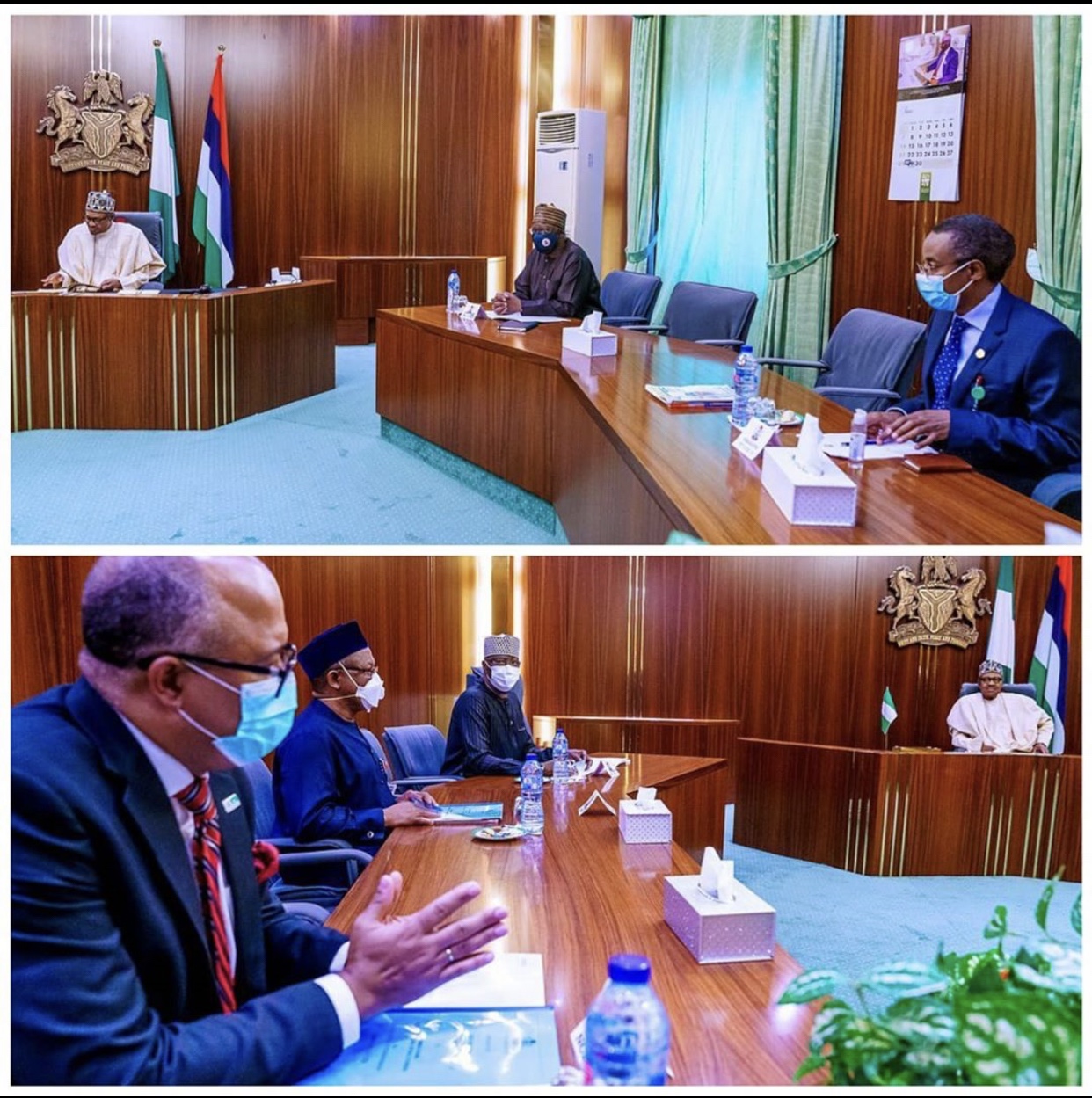
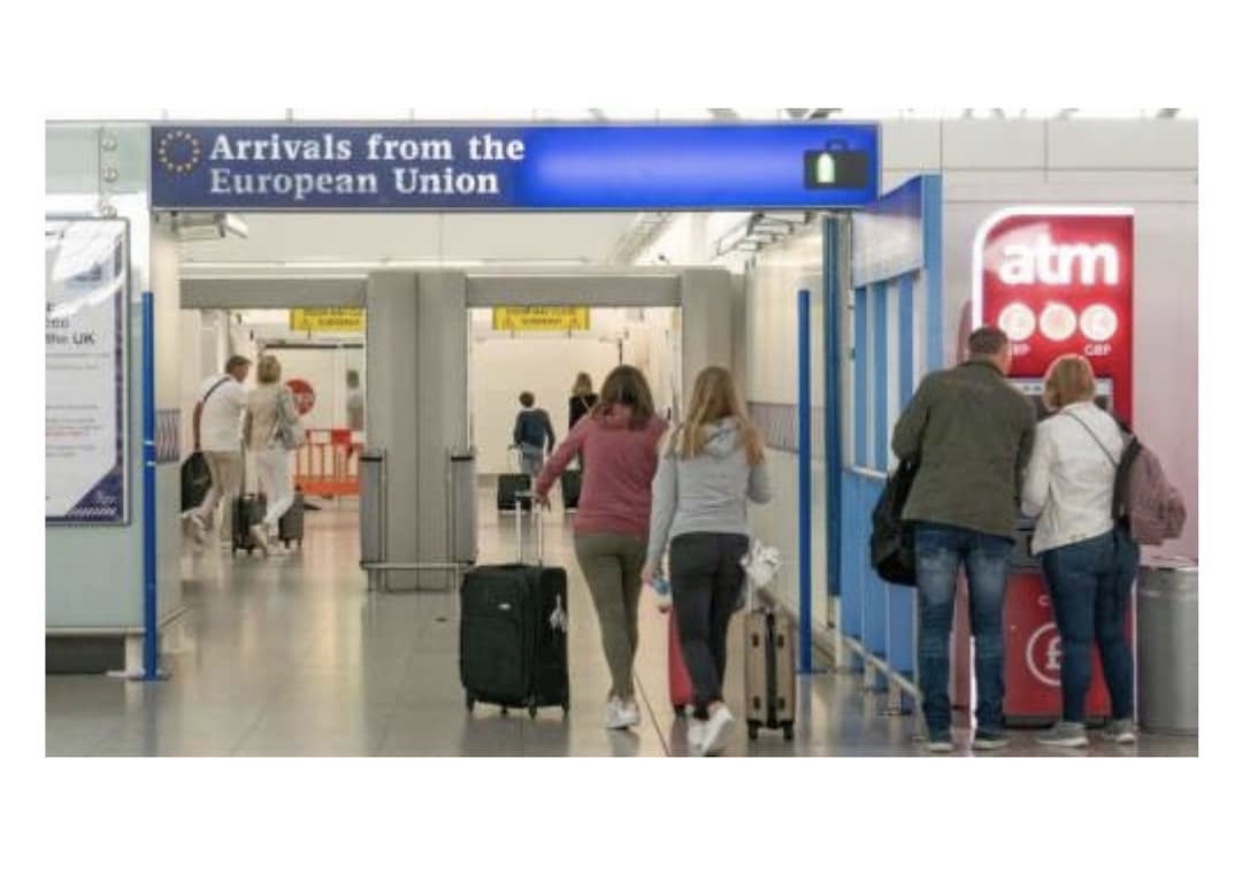
Ahead of the planned reopening of its borders to international travellers on July 1, the European Union Commission has released a list of 54 countries that qualify for travels into Europe and Nigeria is conspicuously absent.
.
Schengenvisainfo.com reports that citizens from Nigeria, Brazil, Qatar, the US and Russia would not be allowed to travel into Europe until the epidemiological situation in their countries with regards to COVID-19 improves.
.
According to the report, the countries whose citizens have been granted permits into Europe as the union open its borders that were shut to curb the spread of COVID-19, include Albania, Algeria, Andorra, Angola, Australia, Bahamas, Bhutan, Bosnia and Herzegovina and Canada.
Others listed are Monaco, Mongolia, Montenegro, Morocco, Mozambique, Myanmar, Namibia, New Zealand, Nicaragua, Palau, Paraguay, Rwanda, Saint Lucia, Serbia, South Korea, Tajikistan, Thailand, Tunisia, Turkey, Turkmenistan, Uganda, Ukraine, Uruguay, Uzbekistan, Vatican City, Venezuela, Vietnam, Zambia, China, Costa Rica, Cuba, Democratic People’s Republic of Korea, Dominica, Egypt, Ethiopia, Georgia, Guyana, India, Indonesia, Jamaica, Japan, Kazakhstan, Kosovo, Lebanon and Mauritius.
Speaking on the development, Eric Manner, the EU Commission spokesman, said the union had the right to choose who would enter its borders. He added that it was based on health criteria.
“The European Union has an internal process to determine from which countries it would be safe to accept travellers” he said
The EU commission on June 11, presented its recommendation on the reopening of internal Schengen borders on June 15, so that Europeans could travel freely within the borderless areas just as they did before the COVID-19 pandemic.
 KazzyTv